
Explore Our Services
Explore our range of services that will help you go beyond basic disease detection
What We Offer
If this is your first time using our service, please connect with our team by emailing testing@ceragengrow.com or calling +1(226)-917-8242 prior to taking samples so we can provide personalized recommendations based on your specific needs.
-
$180 per sample
Common uses:
To diagnose the cause of disease symptoms associated with any bacterial and fungal pathogens
To confirm the presence of beneficial microbial inoculants after application
Routine monitoring of bacterial and fungal populations to identify infections before symptom onset
Recommended for: Roots, and symptomatic (spots) leaves, stems, and fruits
-
$225 per sample
Common uses:
To diagnose the cause of disease symptoms associated with ANY virus
Routine monitoring of viral load to identify infections before symptom onset
To characterize new viral strains that may overcome plant genetic resistance
Recommended for: New-growth leaf tissue (near top of plant)
-
$59 per sample, per virus
Common uses:
To diagnose the cause of disease symptoms associated with 1 chosen virus
To test for viruses on seeds prior to planting
To test for the presence of viruses on surfaces before and after cleaning
Recommended for: Seeds and surfaces
-
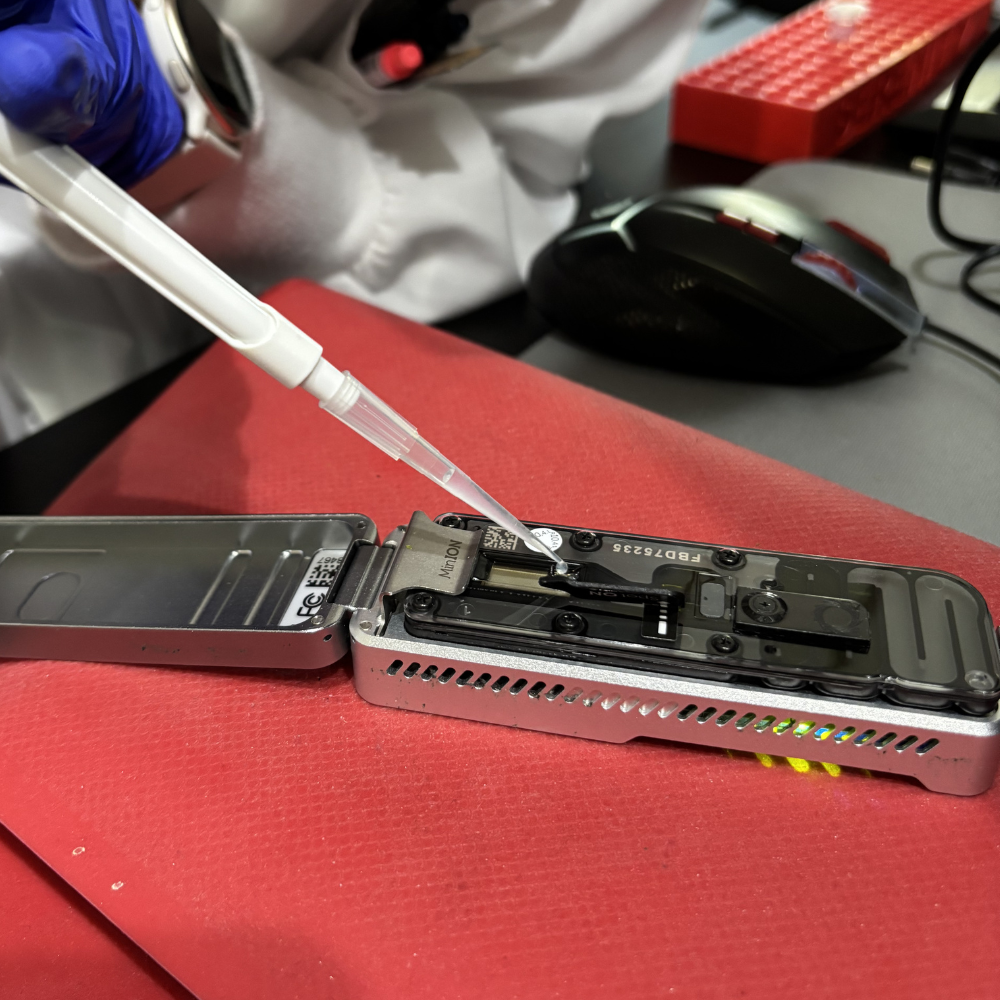
Long read sequencing offers several advantages in comparison to short read sequencing including improved taxonomic classification and genome assembly. For our non-agricultural clients we accept extracted DNA samples and offer 16S, 18S, ITS, and whole bacterial genome sequencing services.